
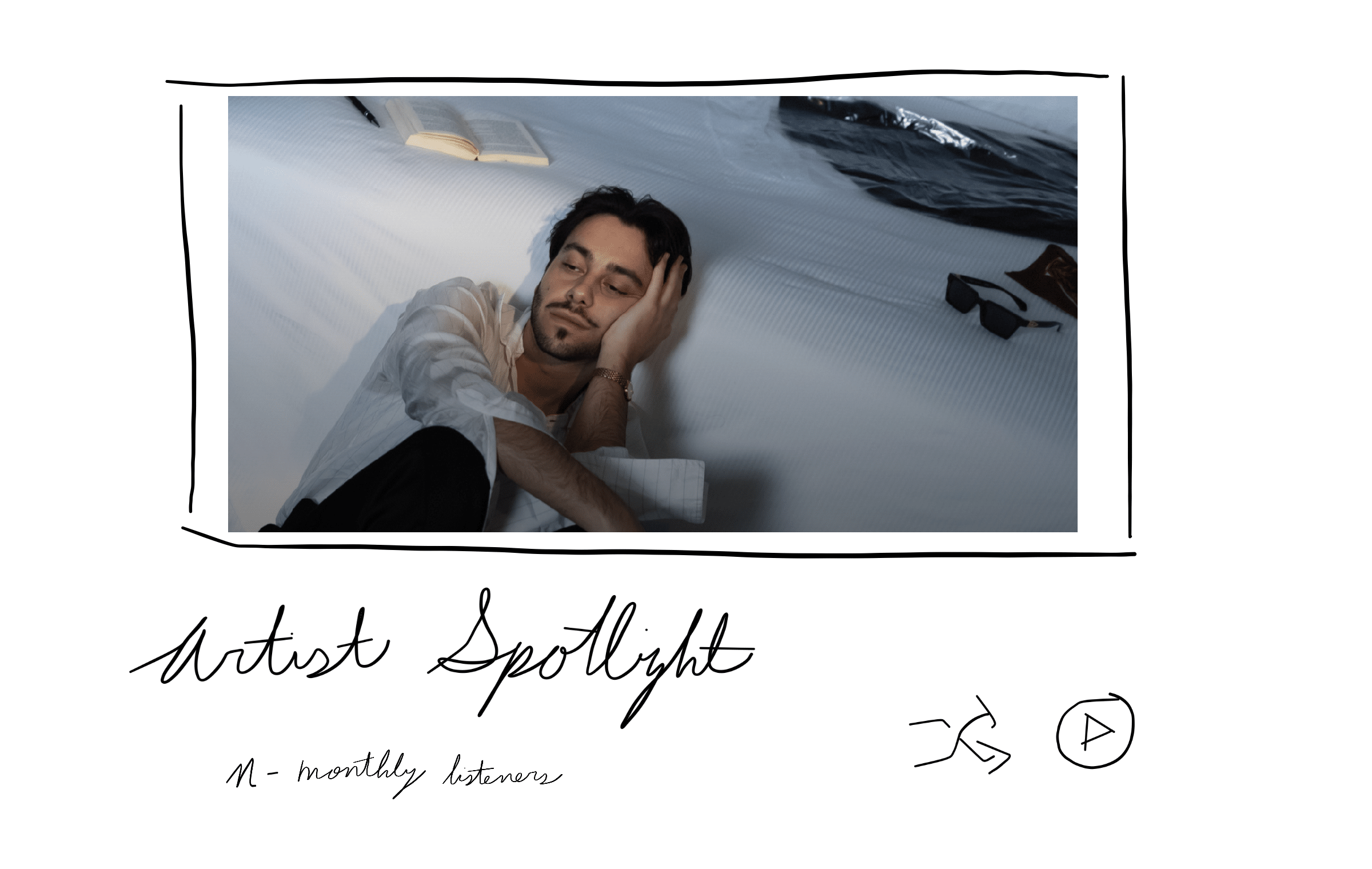
Yerai Cortés’ second album, POPULAR, came out a few days ago, which reminded me that I meant to write about his debut album, LA GUITARRA FLAMENCA DE YERAI CORTÉS. I guess now’s as good a time as ever to write about both of them.
I remember discovering Yerai on Solera Flamenca’s YouTube channel. His seguiriya blew me away, as it did the palmeros who accompanied him. The way he plays with rhythm, speeding up or syncopating traditional falsetas so that they fall into compás in a completely different way than we’re used to, offers a fresh take on the classic flamenco we know and love. His jaleos and bulerías are full of the same playful energy, thoughtful silences and toying of the compás that ultimately got me hooked to Yerai’s style. At one point, all I was playing was Yerai, slowing down the videos to learn his falsetas. His taranta and malagueña have some of the most beautiful melodies I have ever heard, and they are memorable in the same way Vicente Amigo’s compositions are.
You can imagine how excited I was to listen to an album full of these compositions when Yerai released LA GUITARRA FLAMENCA DE YERAI CORTÉS. You can also imagine how confused I was when I heard the first track, which is a voice memo recorded by C. Tangana. I guess I shouldn’t have been surprised to learn that the album was essentially a movie soundtrack for his documentary of the same name. Yerai has said himself that while his compositions are quite traditional, his presentation is contemporary, and this album definitely demonstrates that. Although the essence of his seguiriya can be heard in the track FRÁGIL COMO UNA BOMBA, his jaleos in ROMANCE, and his malagueña in MAIKEL NAI, the pieces are incomplete, fading in and out of the other tracks on the album and incorporating excerpts of dialogue from the movie. It wasn’t what I had expected, but the album still delivers with moments of pure flamenco magic like LA PLAZA ÁRGEL and heartfelt melodies like POR TU SILENCIO LLORO and LO MALO QUE HE SIDO CONTIGO.
This time when Yerai released POPULAR, I knew not to expect a typical flamenco guitar album. This newest record is a full exploration of his Guitarra Coral concept, which consists of Yerai on the guitar (duh), accompanied by a chorus of six palmeras: Macarena Campos, Salomé Ramírez, María Reyes, Elena Ollero, Nerea Domínguez and Triana Maciel, who provide everything from vocals to palmas and jaleos.
In my opinion, the album is perfectly described by it’s name, POPULAR.
Popular, as in well known.
Popular, as in of the people.
Popular, as in commonly liked or approved.
In the first sense of the word, popular refers to Yerai’s sudden rise to fame. Since releasing his movie with C. Tangana, Yerai went from being a hidden gem among flamenco aficionados to the only flamenco guitarist the average person can name. This newfound popularity is referenced in the visuals surrounding the album: the cover, the trailer and the music videos. In the trailer, Yerai appears to be speaking at a press conference in which he says you can look for flamenco everywhere, but it will always be found in the most popular places; it’s always been there. Of course, in this case, “popular” means pertaining to the common people, which brings us to our second definition.
Not too long ago, popular music referred to music of the people, enjoyed by ordinary folk as opposed to the upper class. Flamenco would most certainly fall into this category, though these days it would be called folk music, as popular music, or pop, has come to denote something else entirely. Such is the joy of having Germanic and Latinate equivalents in the English language (folk vs. popular, brotherly vs. fraternal, deadly vs. mortal, etc.). Linguistics aside, POPULAR, hints at flamenco’s humble origins as a traditional music genre.
Nothing can be more flamenco than a fiesta: gathering around a guitar to sing, dance, clap and have a good time. This is exactly the concept of the Guitarra Coral and why Yerai chose six bailaoras for his chorus instead of actual cantaoras; in flamenco, passion, expression and feeling are all more important than professional training. For instance, it’s not uncommon for singers and guitarists to break into dance during a fiesta; it doesn’t matter that they aren’t dancers. This casual and fun side of flamenco is captured in the album, especially in tracks like GAZPACHUELO and PIOPIOO.
In complete contrast to folk music, POPULAR also contains elements of pop music. While some tracks feel raw and unedited, others like SULAO and ROTO X TI incorporate electronic drums, electric bass and keyboard, which make them sound more pop than flamenco. In embracing both the traditional and the modern, Yerai has captured the attention of the younger generation (of mostly uninitiated flamenco listeners) while earning the respect of the flamenco community. As C. Tangana puts it, “the hip ones call him hip, but the gitanos call him gitano“. And appealing to everyone makes this album popular in every way. However, in all honesty, I’m still waiting for a classic solo guitar record from Yerai.



Leave a Reply